
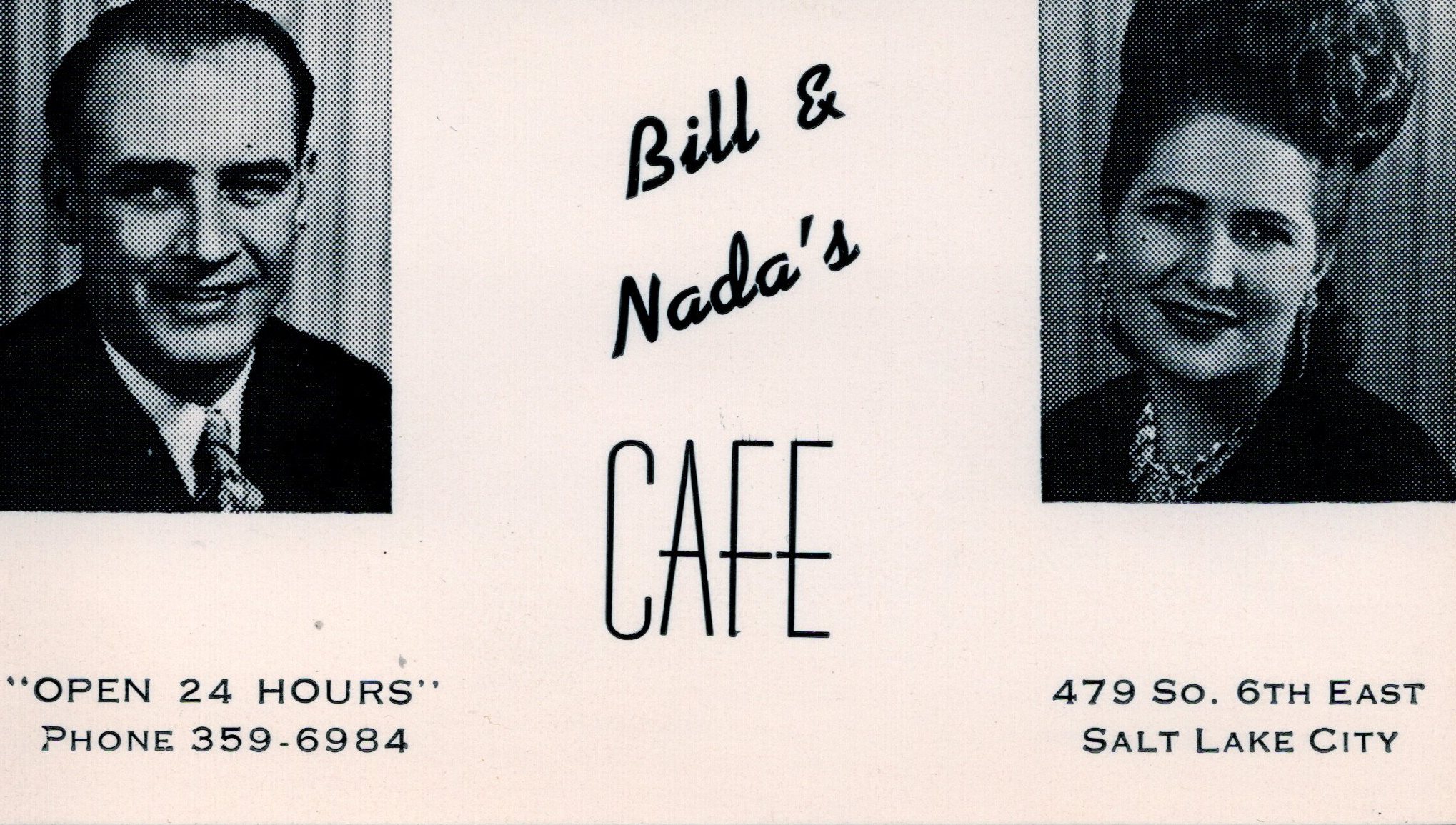
Do you remember your first cup of coffee at Bill & Nada’s in downtown Salt Lake City, Utah, in 1974, when you felt so sophisticated at age 16? How you and your friends sat in a red vinyl Naugahyde booth—or was it at a long white Formica-topped table—laughing over jokes outrageously irreverent and funny. His friends didn’t call Jonathan White “Wit” for nothing. And yes, he may have had a crush on you, even though you might have had a crush on his best friend, James Griffith. James, so blonde-beautiful and aloof, dressed in his white long-sleeved button-down shirts. The oldest in a large Catholic family, James had too much good sense to indulge in any love interest, especially a mixed-up kid like you, not if he was ever going to leave the state and go to college; not disrupt any plans his devout father had of his oldest son becoming a priest.
Wit! How he made you laugh, with his dry humor and Firesign Theatre records, John Lennon glasses, and the painting he made in art class of an avocado. Do you still have it packed away somewhere?
Wit was a good kid from a Mormon family. While his parents were polite to you, they would never, ever approve of you, living on the wrong side of the tracks—or Harrison Boulevard—as you did. What did his parents think, coming home to find their only son expected to become a missionary after high school entertaining the four of you in their basement rec room: two neatly dressed Catholic boys, James and Phil the handsome Black kid from his parish; Robert a rag-tag troubled boy in the foster care system with no known religious affiliations; and you, the daughter of a woman with multiple divorces, the only girl?
How did a lonely girl like you, who always had her nose stuck in a book, get so lucky to find herself surrounded by such smart and funny friends? Do you remember how you stared at the tarnished bowl of your coffee spoon and how it contained a rainbow? You slipped it into your purse as a souvenir, and it was one of two thefts in your life, the first being a nickel you took from your mother’s purse when you were in elementary school, before promptly confessing your crime to her only moments later. You kept that tarnished spoon, handwritten letters, and faded photographs in some flimsy cardboard box for decades, moving it from house to house, never once thinking of tossing it out, even as living space began to shrink. How did you guess, at Bill & Nada’s, how short-lived your time with those beloved friends would be?
The box and all its contents, including the stolen spoon, are lost now—as are the names of some of those friends hanging on the periphery you thought you would never forget. Except—
As you write about the old gang now, you begin to hear the music of their laughter.
Sing a praise song now for how they helped shape you into the person you are now: an old woman, sometimes lonely, with her nose still stuck in a book, and a repository of cherished memories she polishes on special occasions, like a silver spoon.


